Fully regulated UK pharmacy
Safe & clinically reviewed care
Rated 4.9/5 from over 3,000 reviews
Fast, discreet delivery
Fully regulated UK pharmacy
Safe & clinically reviewed care
Rated 4.9/5 from over 3,000 reviews
Fast, discreet delivery
Mounjaro
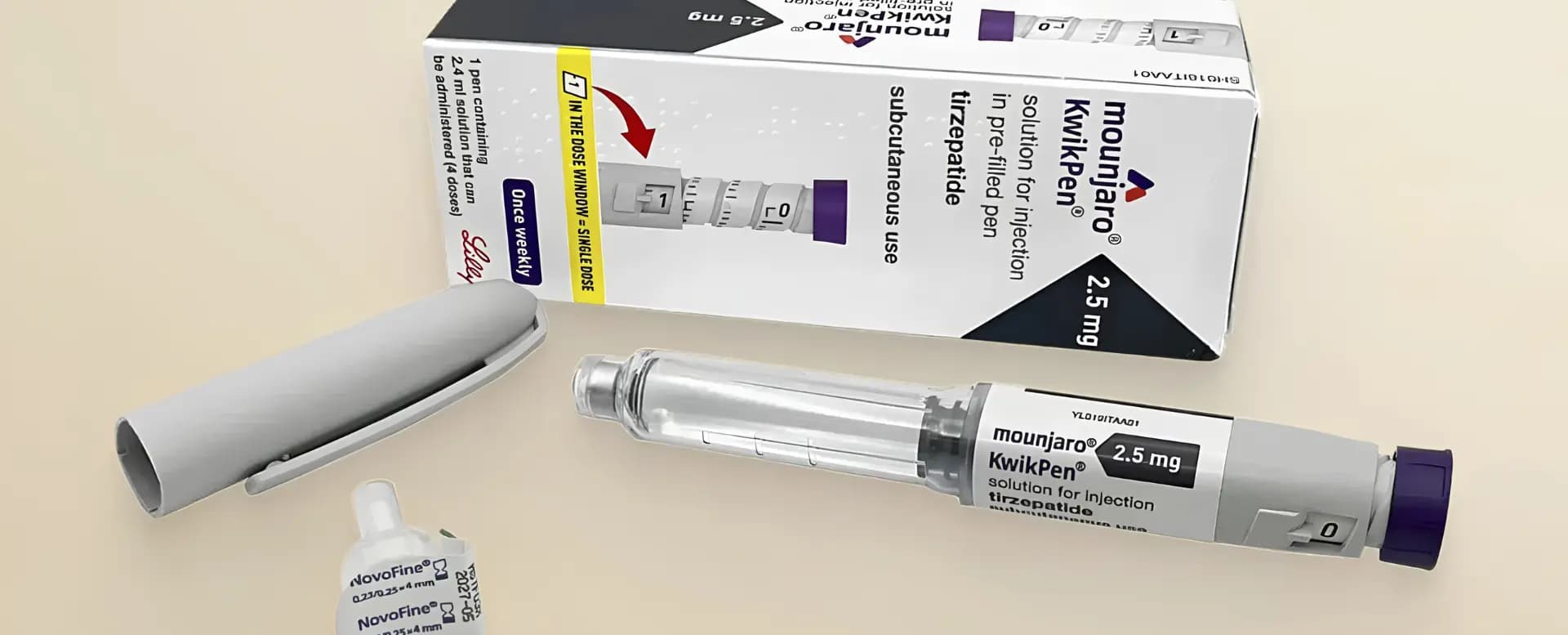
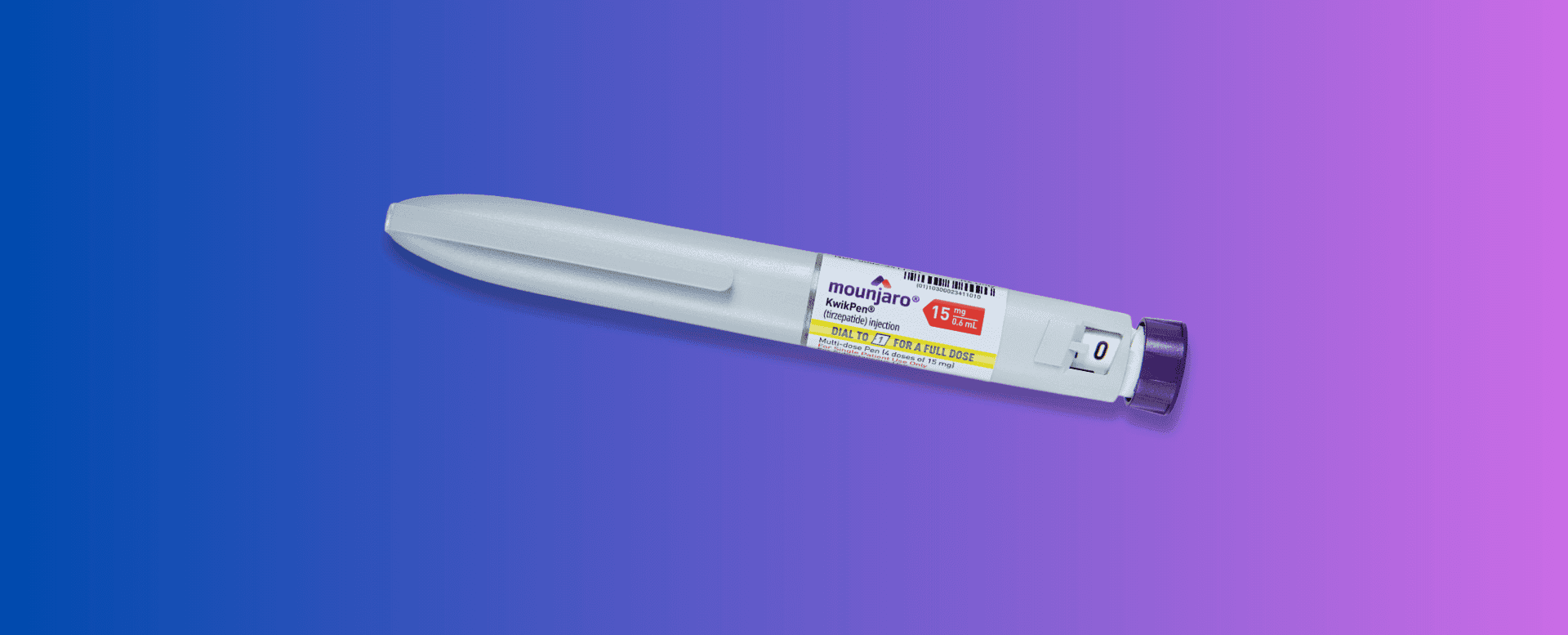
Mounjaro is a once-weekly injection used in diabetes and weight management. It helps by reducing appetite, slowing stomach emptying and helping the body control blood sugar levels.
The active ingredient tirzepatide is a GIP and GLP-1 receptor agonist. By activating these receptors, it mimics the action of the natural hormones in the body. Whilst a generally well tolerated treatment, some may experience side effects.
For many, symptoms are mild to moderate and improve as the body adjusts. Side effects are more likely to occur upon starting treatment or when the dose is increased.
Due to its effect on slowing stomach emptying, reducing appetite and encouraging longer feelings of fullness, some side effects are inevitable. This is as the treatment is disrupting the gut’s natural rhythm.
Additionally, as it works mainly in the gut, most side effects affect this area, particularly during the first few weeks as the body gets used to a new digestive rhythm.
The most common side effects of Mounjaro affect the gut and include:
Nausea and vomiting
Abdominal pain
Decreased appetite
Constipation or diarrhoea
Indigestion
These side effects can be managed by making small dietary adjustments, though if they persist, you should speak to your provider. The patient information leaflet included with the medication contains a comprehensive list of side effects.
Other rarer side effects include injection site reactions - redness or itching where you inject the medicine. Some patients find bringing the injection to room temperature before injecting can help reduce irritation caused by cold medicine.
Serious side effects are usually very rare. If you experience any of the following, please seek immediate medical attention.
Pancreatitis (inflammation of the pancreas) Symptoms include a severe abdominal pain which spreads to the back or chest accompanied by fever or nausea/vomiting.
Anaphylaxis (allergic reaction) - Symptoms include swelling of the lips, tongue, throat or face with difficulty breathing, a rapid heartbeat and a rash.
Kidney issues (kidney failure) - Common side effects such as diarrhoea or vomiting, in those with kidney problems can lead to dehydration. It is strongly recommended to maintain adequate fluid intake whilst on treatment.
Gallbladder problems - upper abdominal pain, with yellowing of the eyes or skin.
Hypoglycaemia (low blood sugars). More likely for those using Mounjaro alongside other diabetic medication. Symptoms include hunger, trembling/shaking, sweating, confusion and difficulty concentrating.
Diabetic Retinopathy - A rapid reduction in blood sugars can lead to a temporary worsening of retinopathy in diabetic patients.
We know Mounjaro slows down how quickly the stomach empties food. When moving to a higher dose, your stomach slows down even further, which is why it's reasonable to expect more side effects.
Most common side effects reported upon a dose increase include:
Increased nausea
A reduced appetite and feeling fuller than usual
Constipation or diarrhoea
Fatigue
These side effects are usually strongest during the first few days after the dose increases and often settle as your body adjusts.
Eat smaller meals. Don’t force yourself to clean the plate. Stop eating as soon as you feel full. Overeating beyond the fullness point is one of the most common triggers for nausea and vomiting.
Hydration. Persistent vomiting and diarrhoea can lead to dehydration, increasing the risk of kidney issues. Aim to drink fluids regularly throughout the day.
Injection timing. Taking a dose in the evening may help you sleep through the initial wave of side effects over the weekend, without interrupting the working week.
Keep Moving. Light exercise can aid digestion, reduce constipation and help maintain energy levels.
Choose gentle foods. If you're feeling nauseous, bland foods are often easier to tolerate, such as oats, bananas, toast, potatoes. Avoid fried, greasy foods or those high in sugar which are more likely to worsen nausea and acid reflux.
If you are taking other medication besides Mounjaro, it's important to let your provider know. Due to Mounjaro slowing stomach emptying, other medications may stay in the stomach for longer than usual, leading to side effects.
For the oral contraceptive pill, this delayed stomach emptying may mean you’re not protected. Women should use an additional barrier method as an added precaution during the first 4 weeks of treatment and for the first 4 weeks after a dose increase.
As a prescription-only medication, at Quick Meds, patients are required to complete an online consultation before placing each order. This asks about other medication you take, how your weight loss is progressing and if you are experiencing side effects.
Our GPhC-registered prescribers review each individual form, and can provide tailored advice to suit your health needs, ensuring you get the most out of treatment with manageable, minimal side effects.
Additionally, all first-time users have a dedicated telephone consultation, to provide all the required information for a safe treatment journey from the onset.
Whilst Mounjaro is a generally well tolerated treatment, it cannot be used by everyone. Tell your healthcare provider if you:
Have a history of pancreatitis
Have kidney or gallbladder disease
Have diabetic eye disease
Have a personal/family history of thyroid cancer (MTC) or Multiple Endocrine Neoplasia syndrome type 2 (MEN2)
Are pregnant, planning pregnancy or breastfeeding.
Remember, the more information you provide, the better informed clinical decision your prescribers can make, ultimately ensuring your safety.
Everything you need to know
Side effects usually occur within the first few days after injecting your dose. These gradually disappear on their own as the body adjusts to treatment.
Side effects are inevitable on treatment due to how it works, though not everyone gets them. Lifestyle modifications can help manage them, ensuring they don’t significantly impact your life.
Mounjaro has been deemed safe for long-term use. There is no data to support any side-effects will have a lasting effect.
Whilst there's no specific time of day to take Mounjaro, some patients find taking their dose on a Friday evening allows them to sleep through the initial wave of side effects, minimising their impact on the working week.
Compared to similar treatments, like Wegovy, some patients report Mounjaro is better tolerated, though this varies between patients.