Fully regulated UK pharmacy
Safe & clinically reviewed care
Rated 4.9/5 from over 3,000 reviews
Fast, discreet delivery
Weight Loss
Weight loss medications are powerful tool to help people struggling to lose weight using diet and exercise changes alone. Used correctly, along with lifestyle changes, they can be really effective for losing weight.
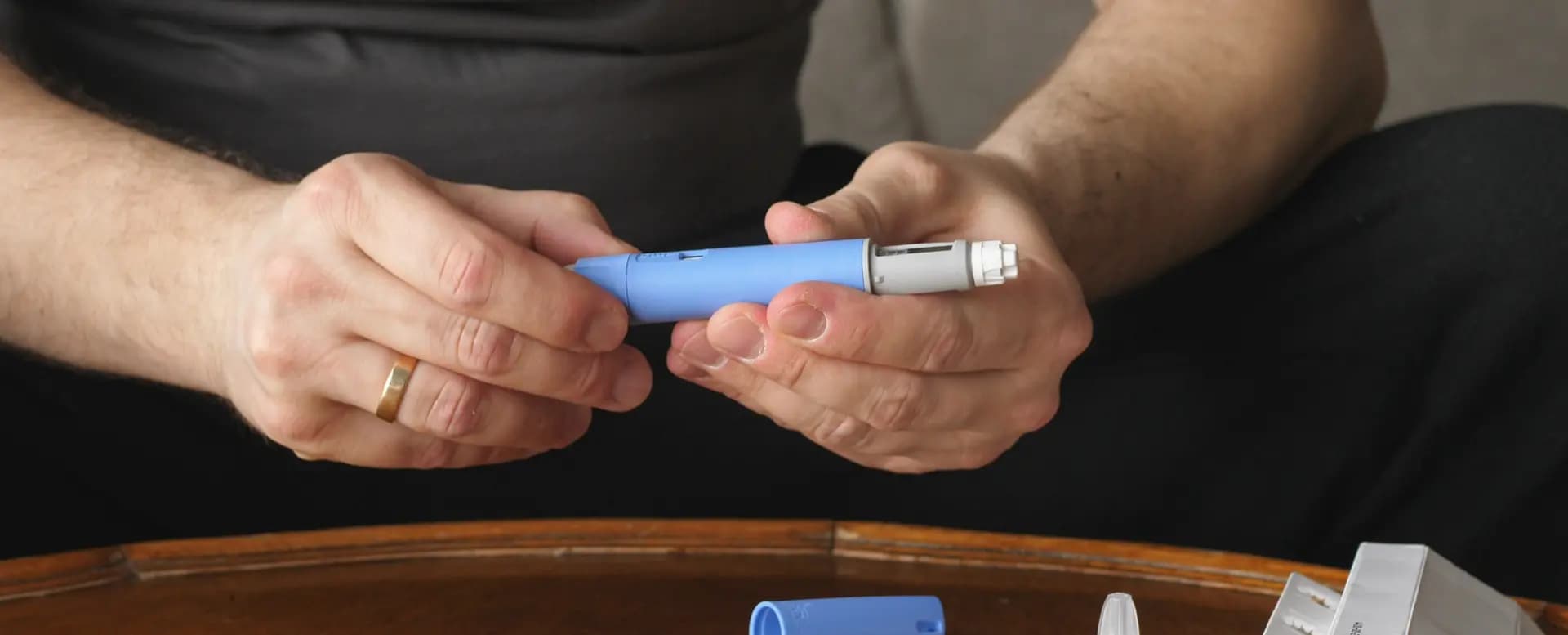
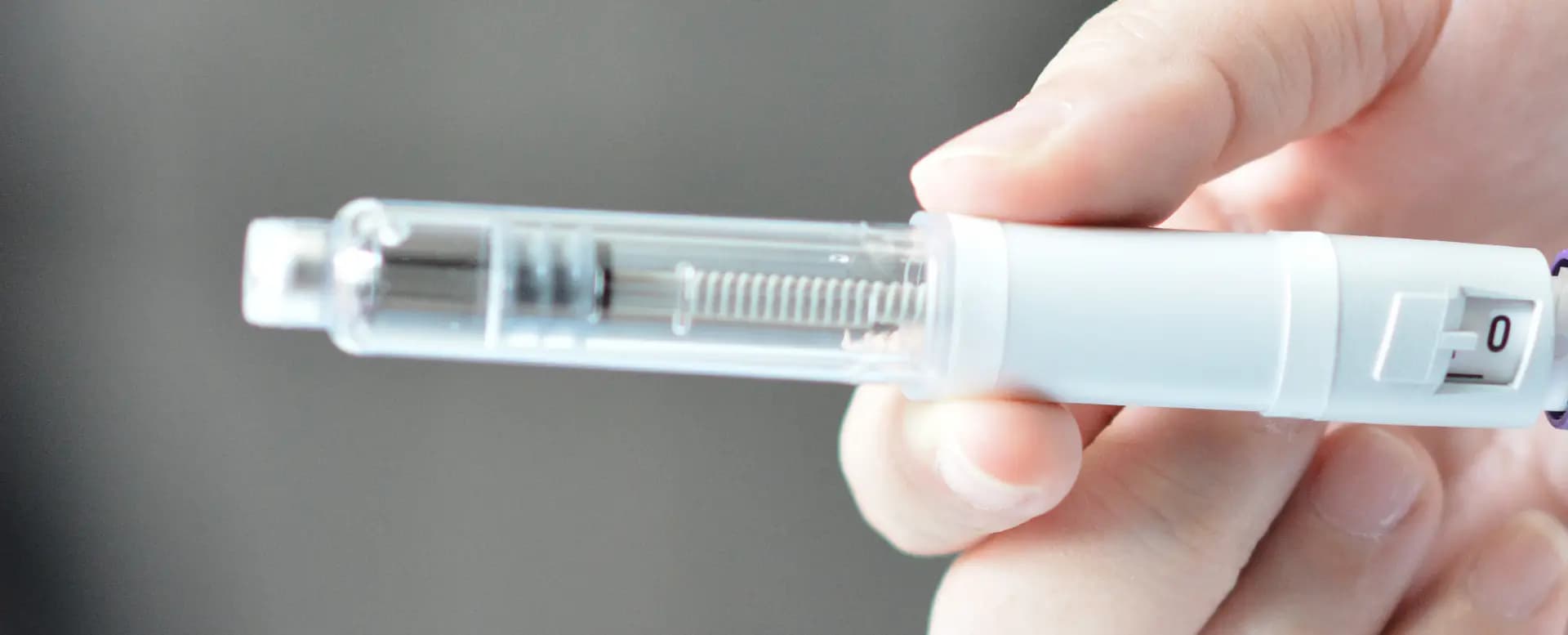
The most popular weight loss treatments currently available are Wegovy and Mounjaro Availabel as once weekly injections, the treatments work on slightly different pathways by mimicking naturally occuring hormones.
Wegovy contains semaglutide, and is known as GLP-1 agonist. It works by slowing gastric emptying, reducing hunger and stabilisting blood sugar levels. Data from clinical trials suggest patients lose an average of 17% of their bodyweight after taking Wegovy for 68 weeks.
Mounjaro, contains tirzepatide. This activates GLP-1 and additionally GIP. As it targets two pathways studies suggest it may lead to better weight loss results than Wegovy.
With either treatment, for optimum results, patients are advised to incorporate a healthy diet and increased physical activity.
When starting treatments, its important to start at the lowest, initation dose and gradually increase. This process allows the body to adjust safely to treatment, reducing the risk of side effects.
The starting dose of your weight loss injection depends on the type of treatment you are using:
A low dose of your medication prevents overload in the body. As the medication acts on receptors in the brain and gut (controlling appetite and digestion), a low dose works with the body's natural mechanisms to gradually adapt.
The importance of starting at a low dose is highlighted in the table below:
Mechanism | Starting at a Low Dose | Starting at a High dose/ Increasing too early |
|---|---|---|
Brain and gut receptors | Activates only some of the GLP-1 receptors, leading to gently fullness signals | Overwhelms GLP-1 receptors suddenly. Triggers nausea, vomiting, cramping and reflux. |
Rate of gastric emptying | Slightly slows gastric emptying long enough to prolong feelings of fullness | Suddenly slows gastric emptying. Food sits in the stomach for too long, causing severe bloating, sulfur burps, acid reflux and vomiting |
Tolerance | Allows the body time to adapt to receptor activation | Bypasses the body's natural adaptation window, shocking the body significantly incraeseing side effects. |
It's important to take your medication on the same day every week. However, if you miss your dose and it's been fewer than 4 days (Mounjaro) or 5 days (Wegovy) since you were due to take it, then you should take the missed dose.
If it's been more than 4 days (Mounjaro) or 5 days (Wegovy) since your scheduled day, you should skip the missed dose and take your next scheduled dose as normal. If you've missed more than one dose, you may need to reduce your dose and restart the dosing schedule - you'll need to discuss this with a healthcare professional.
Regularly missing doses affects how well the medication works and can delay the time it takes to increase your dose. If you're often missing doses, you may want to change the day or time you are taking Mounjaro or Wegovy, so that it's more convenient for you. When changing the day you use your medication, always make sure to leave 3 (Mounjaro) or 2 (Wegovy) days between doses.
Do not double-dose a forgotten dose. If you are unsure how to proceed with your weight loss treatment, contact a healthcare professional who will advise you appropriately.
Both medications are more effective for weight loss at a higher dose, although lower doses are still beneficial. The aim of your dosing schedule is to increase the dose to a point where you're seeing weight loss results without struggling with side effects.
Mounjaro starts at 2.5mg, which is injected once a week for 4 weeks. This is increased by 2.5mg every 4 weeks up to a maximum of 15mg. Some people take longer than this to reach the maximum maintenance dose, and some people stop at an earlier dose to maintain it if they're having good results.
For Wegovy, the starting dose is 0.25 mg once a week for 4 weeks. The dose is then increased to 0.5mg for the next 4 weeks. For weeks 9-12, the dose is increased to 1mg, then it is increased to 1.7mg for weeks 13-16. Finally, the maintenance dose of 2.4mg can be reached from week 17 onwards. Again, not everyone will increase their dose so quickly, and some people will stop at a lower maintenance dose. A new 7.2mg dose of Wegovy has recently been approved, for those who have plateued on the 2.4mg dose.
A maintenance dose is the dose you will stay on long-term. For Wegovy, this is typically 2.4mg or 7.2mg. For Mounjaro, maintenance can be at 5mg, 10mg, or 15mg.
Your maintenance dose will be determined by your weight loss goals and how well you're responding to the medication.
It can take several months to reach the maintenance dose. How long this process takes depends on the dose you wish to maintain on, and whether you have to slow down the dose increases due to side effects or missed doses.
Mounjaro and Wegovy are generally more effective at a higher dose, resulting in the best weight loss results. However, not everyone will be on the highest dose if they see good results at a lower dose or experience side effects. This can help you maintain the weight you have lost on treatment once you have reached your goal weight or a healthy BMI.
Common side effects of Mounjaro include nausea, vomiting, diarrhoea, abdominal pain, constipation, dizziness, bloating, wind, hair loss, acid reflux, and fatigue. Other side effects, such as inflammation of the pancreas/gallbladder, are much less common, with severe allergic reactions happening rarely.
Many of Wegovy's side effects are similar to Mounjaro's. When taking Wegovy, side effects such as headaches, vomiting, diarrhoea, abdominal pain, constipation, fatigue, dizziness, acid reflux, bloating, wind, and hair loss are common. Less common side effects include pancreatitis, gallstones, an increased heart rate, and rarely, serious allergic reactions.
Side effects are more likely to occur when you start the medication and with each dose increase.
If you experience serious side effects such as airway swelling, difficulty breathing, wheezing, or loss of consciousness, call 999 immediately. If you are experiencing a rash, increased heart rate, or any other symptoms that worry you, contact your doctor.
If you have symptoms of pancreatitis or gallstones, seek immediate medical attention.
Mild side effects like nausea can be managed at home by staying hydrated, eating plain foods, and not eating past the point of satiety.
Gradually increasing your weight loss medication dose allows your body to gradually become familiar with the medication and its effects. This may reduce the chance of experiencing side effects, which means you'll be more likely to stick with the medication, leading to better weight loss results.
Increasing the dose too quickly puts you more at risk of side effects. In some cases, this leads people to stop taking the medication altogether.
Although they work in similar ways, Mounjaro and Wegovy have different maximum dose strengths. The highest dose of Wegovy is 7.2mg weekly, while 15mg is the highest weekly Mounjaro dose.
Different people respond differently to the medication. Some people experience significant weight loss results at a lower maintenance dose, while others need to be at the highest maintenance dose before they start seeing the results they want.
If you're losing weight at a rate you're happy with, a healthcare professional may decide to keep you at your current dose. However, if you're not seeing the results you want, you may need to keep increasing your dose until you reach the maximum maintenance dose.
If you move up to higher Wegovy or Mounjaro doses and experience side effects, you may need to stop increasing your dose and stay at a lower dose. Your dose should always be changed by a healthcare professional - never be tempted to change the dose yourself.
Generally, healthcare professionals follow a set dosing schedule for each medication, although they may slow things down if you're experiencing side effects to give your body longer to adjust. Regular check-ins will help them to pick up on any issues or side effects.
Start by discussing your current weight loss results, how they compare to your goals and whether they're realistic. It's also good to bring up any side effects you have and ask any questions about managing them. If anything else has changed with your general health, you should mention this too.
Weight loss medications can be effective for helping you to lose weight, but some people struggle to continue taking them due to side effects. Gradually increasing the dose can help avoid this.
Your doctor or pharmacist should advise you on your own individual dosing schedule that's tailored to you. This will help you to get the results you're looking for while minimising side effects.
Looking for advice on weight loss medication, side effects or dosing schedules? Contact the Quick Meds team today.